All Categories
Featured
Table of Contents
When they do, their posts will appear here.
The GCC saw a 30% increase in equity capital (VC) financing in 2023, despite an international decrease, with Saudi Arabia overtaking the UAE as the area's top recipient of VC investments. Saudi Arabia's fintech sector grew with unicorn-status rounds for Tabby and Tamara, adding to the country's $1.36 billion in overall fintech financing, leading the area in fintech and e-commerce.
The GCC has recorded a remarkable 30% growth in equity capital (VC) financing for 2023, despite an international slump, according to current research study by Pulsar, a leader in startup velocity. As international VC funding was up to $248.4 billion, the lowest because 2017, the GCC's growth stands in sharp contrast, fueled by investor self-confidence in the region.
Substantial investments like the $156 million financing round in Kuwait-based Floward and the unicorn status accomplished by Saudi fintech business Tabby and Tamara assisted strengthen Saudi Arabia's management in fintech and e-commerce. According to the report's key findings, Saudi Arabia's VC funding exceeded the UAE, accounting for over 50% of offers, driven by late-stage investments and significant rounds for companies like Tabby and Tamara.
Main Advantages of Applied AI Innovation
Investments surged in green technologies, with Saudi Arabia's $64 billion effort support tasks in renewable resource and advanced tech like NEOM and Qiddiya. With growing investments in fintech, green technology, and the introduction of new business centers throughout the area, the GCC continues to enhance its position as a significant gamer in worldwide endeavor capital markets.
Within the GCC, winds of change are sweeping across the economic landscape that has actually long counted on oil and gas. A new generation of business owners is moving a flourishing startup community and sustaining a transformation of innovation. This wave of visionary pioneers not only stimulates job production however also empowers new generations to form the future.
Lots of federal government assistance programs are providing resources, help, and structured guidelines to support budding endeavors. The easily offered funding serves as the lifeline of startup business, permitting these start-ups to grow and bring fresh concepts to life. This encouraging community empowers them to become representatives of modification, transforming markets with their advanced services.
Tech-savvy individuals are in high demand, with startups looking for competent experts to use their skills in fields like AI, cloud computing, and cybersecurity. This extends beyond simply technology, as marketing experts, style creatives, and company development strategists are all crucial threads in the fabric of an effective start-up, assisting them develop their brand name and reach brand-new markets.
.png)
Are GCC Firms Ready for Applied AI?
Start-ups offer a dynamic environment that functions as a breeding place for imagination and collaboration. Here, the entrepreneurial spirit soars, motivating people to think outside the box and contribute their distinct talents. Competitive incomes and attractive advantages bundles include an additional layer of attract job seekers, making these start-ups highly popular locations for the experienced and enthusiastic.
As the ecosystem grows, sustained by government efforts and a rise in investor interest, we can expect a future ablaze with innovation. Groundbreaking concepts, sustained by relentless enthusiasm, will change the region, and the demand for knowledgeable individuals will soar. This will pave the way for a more varied and thriving job market, a testament to the transformative power of the startup transformation.
Ambitious tech entrepreneurs and start-ups in the GCC states will take advantage of '500 Falcons', a $30mn Mena seed fund from US-based equity capital firm 500 Startups and Qatar Foundation Research Study & Development (QF R&D). "The market size is $30mn which need to enable us to purchase about 150 to 200 early-stage startups in the Mena region in the next three to 4 years.
Haider said 500 Startups created a collaboration with QF R&D and Qatar Science and Technology Park (QSTP) to expand a series of 500 Start-ups programmes to support fledgling entrepreneurs and their business. In Qatar, Haider said amongst the appealing sectors for startups include e-Commerce, material, and 'frontier tech'. According to Haider, the region "still has a long method to go" in regards to payments and logistics.
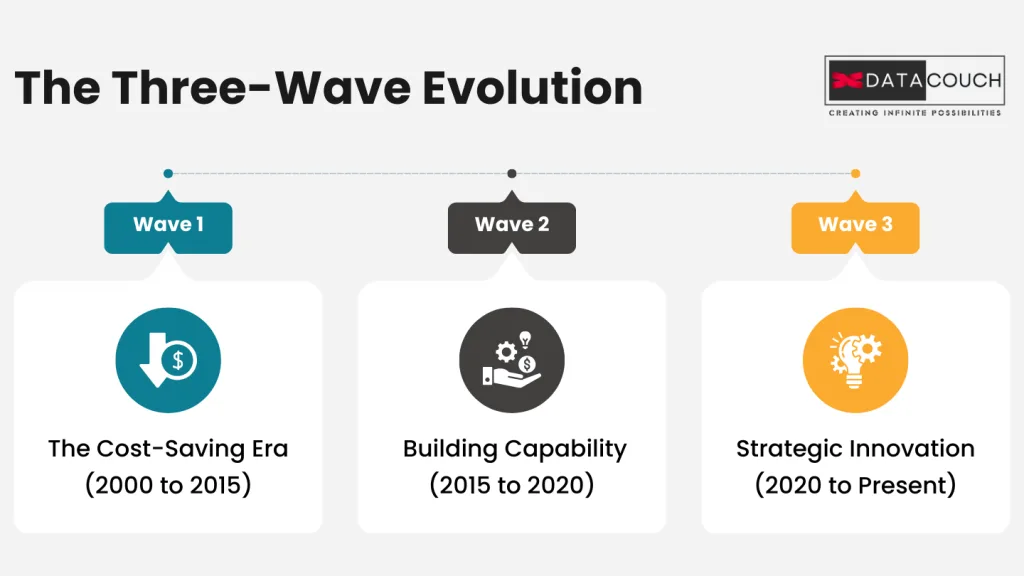
High-Impact Digital Roadmaps for Regional Leaders
"On 'frontier tech', Haider stated the region produces "a lot of development," specifically in organisations like QF R&D and QSTP, as well as other markets around the region, and even in academic community."In universities, there are actually bright concepts that are now with distinct innovations and so, the Mena area has actually been able to play at the forefront of a lot of innovations that are emerging like IoT (Web of Things), drones, virtual reality, and artificial intelligence," Haider pointed out.

Latest Posts
Recent GCC Tech Innovation Trends
The Best Workflow Tools Analyses in 2026
New Venture Updates From the GCC Startup Sector