All Categories
Featured
Beyond development, AI is becoming embedded in develop, test, and release pipelines. In 2026, lots of teams might count on semi-autonomous systems to monitor pipelines, detect anomalies, and intervene before failures escalate. An AI system monitoring CI/CD workflows might see that a specific class of tests has begun failing intermittently after current merges.
Promoting Innovation to Applied Roadmaps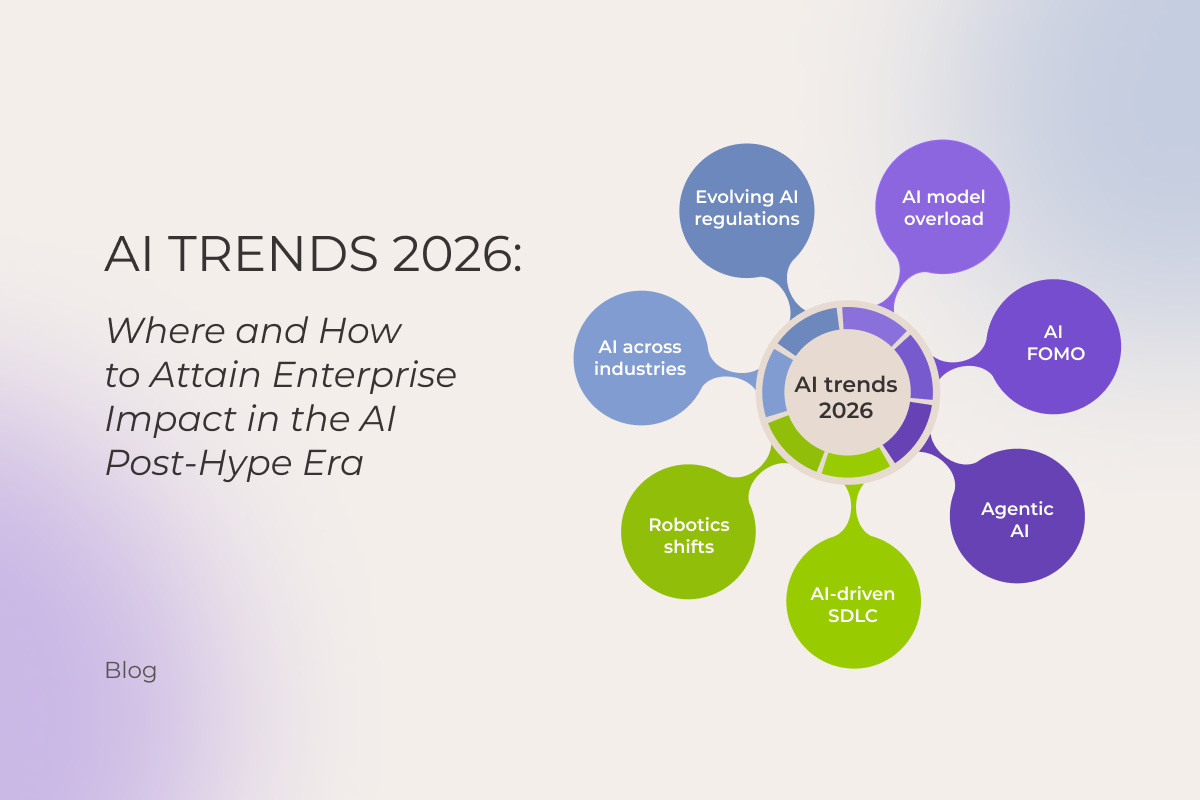
AI-enabled systems are increasingly embraced in location. Post-deployment, AI can monitor use patterns, performance metrics, and mistake rates and then recommend setup changes, function toggles, or refactors.
As AI systems become more autonomous, the question is no longer whether humans stay in the loop; it's how that loop is designed. In 2026, the most significant modifications will not have to do with job replacement, however about how duty, authority, and accountability are distributed in between people and devices. Standard software executes directions.
How Applied AI Accelerates Strategic Efficiency
An item operations group may designate an AI system a goal such as enhancing function adoption or decreasing event reaction time. The system examines data, proposes actions, coordinates across tools, and reports progress, while human beings retain authority over concerns and constraints.
Promoting Innovation to Applied Roadmaps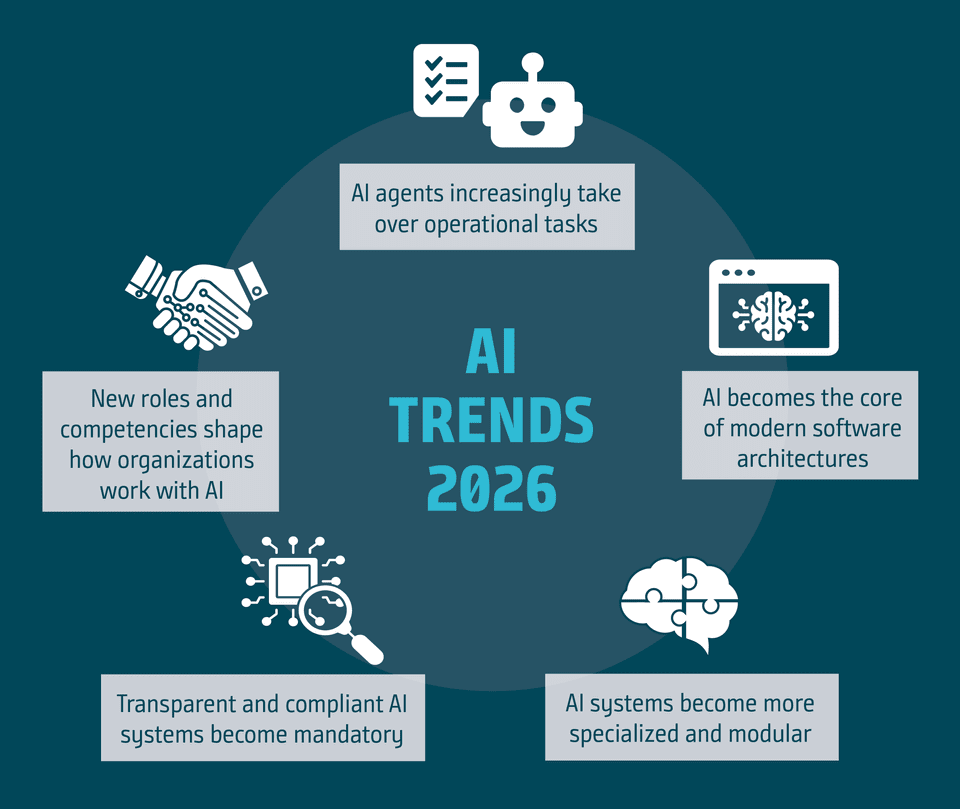
Delegation without oversight creates threat; oversight without delegation creates friction. The balance depends on clearly specified decision boundaries and escalation courses. One of the shifts in 2026 will be how workers view AI. Lots of teams are finding that AI is most important when it takes in the cognitive overhead that drains pipes time and focus.

Latest Posts
Recent GCC Tech Innovation Trends
The Best Workflow Tools Analyses in 2026
New Venture Updates From the GCC Startup Sector