All Categories
Featured
Beyond development, AI is becoming embedded in develop, test, and deployment pipelines. In 2026, numerous teams might rely on semi-autonomous systems to keep track of pipelines, spot abnormalities, and intervene before failures intensify. An AI system keeping an eye on CI/CD workflows might discover that a particular class of tests has actually started failing periodically after current merges.
Essential Tips for Managing Applied AI Systems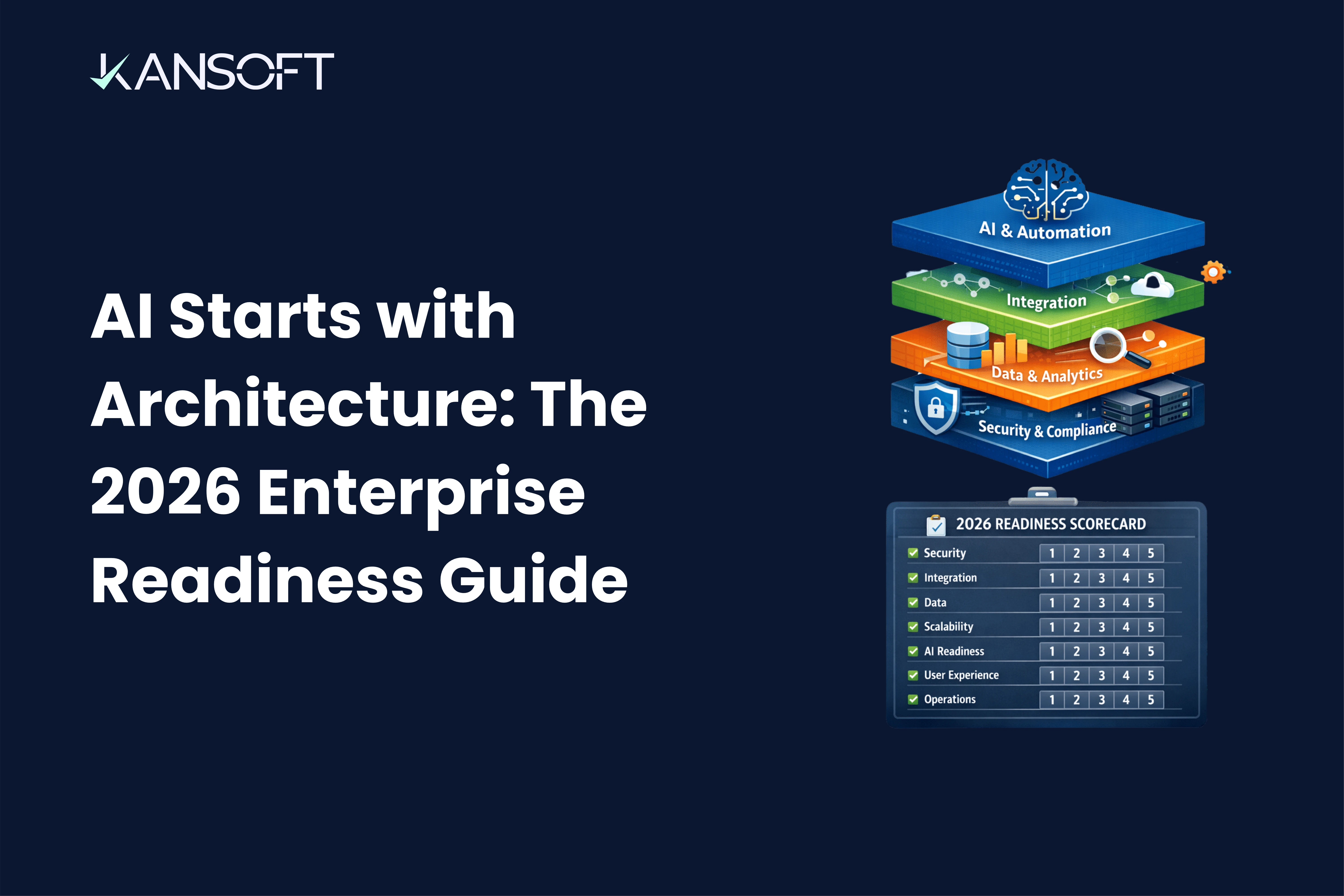
This shortens feedback loops and lowers the cognitive load on teams handling intricate delivery environments. Possibly the most significant shift is what occurs after code ships. Typically, released software stays fixed till people step in. AI-enabled systems are increasingly adopted in location. Post-deployment, AI can monitor usage patterns, efficiency metrics, and error rates and then suggest configuration changes, feature toggles, or refactors.
As AI systems end up being more autonomous, the question is no longer whether human beings stay in the loop; it's how that loop is created. In 2026, the most substantial changes will not have to do with task replacement, but about how duty, authority, and responsibility are dispersed in between individuals and machines. Conventional software application carries out directions.
Building High-Impact AI Roadmaps for Modern Businesses
That behavior starts to resemble a teammate more than a tool. In practice, this implies human beings are delegating outcomes, not jobs. A product operations team might appoint an AI system an objective such as enhancing function adoption or decreasing incident response time. The system assesses data, proposes actions, coordinates throughout tools, and reports progress, while human beings maintain authority over priorities and restraints.
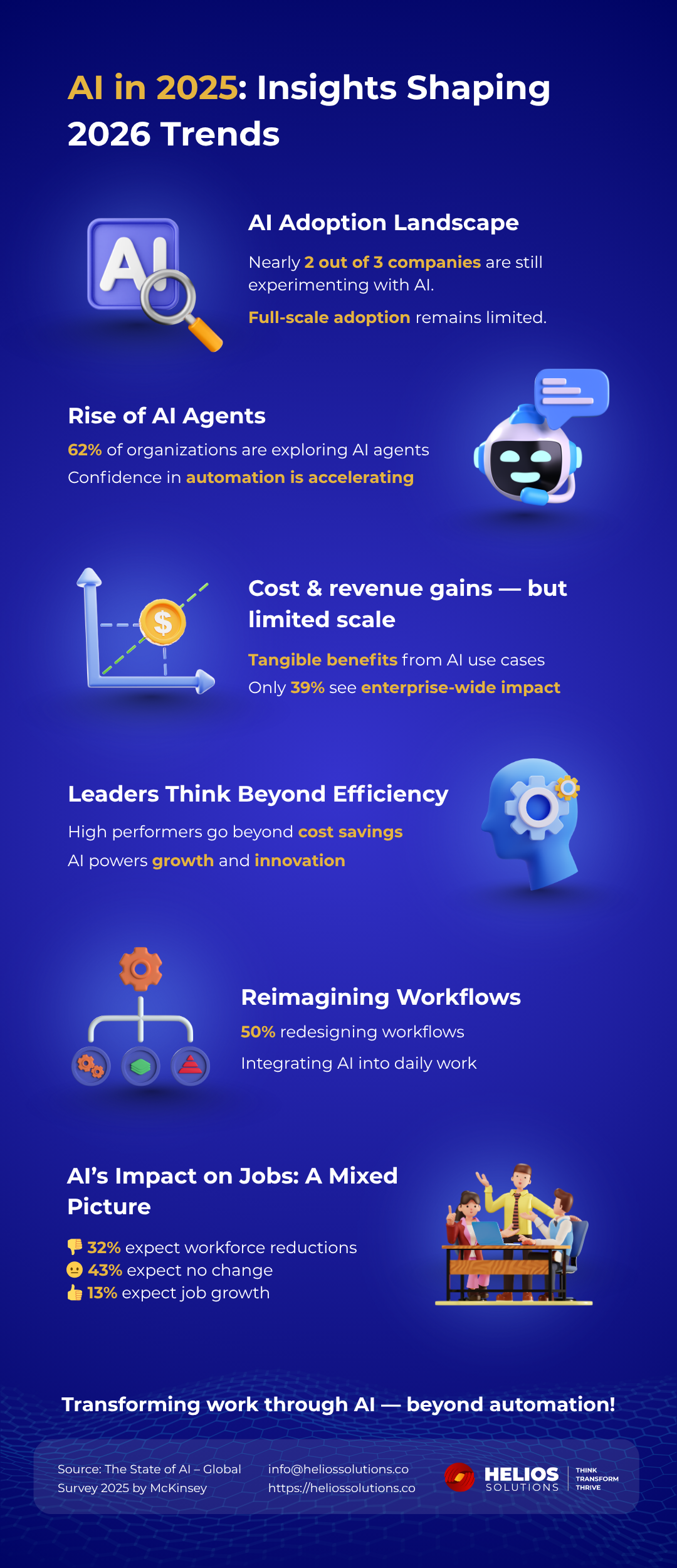
One of the shifts in 2026 will be how workers view AI. Lots of groups are discovering that AI is most valuable when it absorbs the cognitive overhead that drains time and focus.

Latest Posts
Recent GCC Tech Innovation Trends
The Best Workflow Tools Analyses in 2026
New Venture Updates From the GCC Startup Sector