All Categories
Featured
Table of Contents
Track and monitor your reviews versus up to five rivals to better comprehend where you stand in the market. Automate your reporting with natural language sentiment analysis tools to help you discover critical styles of your evaluations to make impactful changes that matter to your client base.
Review tracking is just offered on their highest-paid strategy. A lot of SaaS companies, especially smaller sized ones, may not need most of features it provides and may be better off choosing a more targeted tool for evaluation monitoring and management alone.: 4.4: $76/ month.
Machine Learning’s Role in Saudi’s Transition to Renewable EnergyAutomation has actually ended up being the backbone of business performance, however in 2026, it's about more than just conserving time. The new generation of automation platforms are developing from separated job automation to end-to-end orchestration, where systems, people, and data operate in sync. As the automation landscape diversifies, five platforms stand out for their unique strengths: leads in unifying data and workflow automation across both company and IT groups, while deals task-based workflow abilities.
Together, these tools show how the market is evolving from separated task automation to smart, scalable orchestration. For operations and IT leaders, the best platform can mean the difference between fragmented workflows and a flawlessly connected enterprise. This guide explores the very best automation platforms for 2026, how they're improving digital change, and what to look for as automation matures into intelligent orchestration.
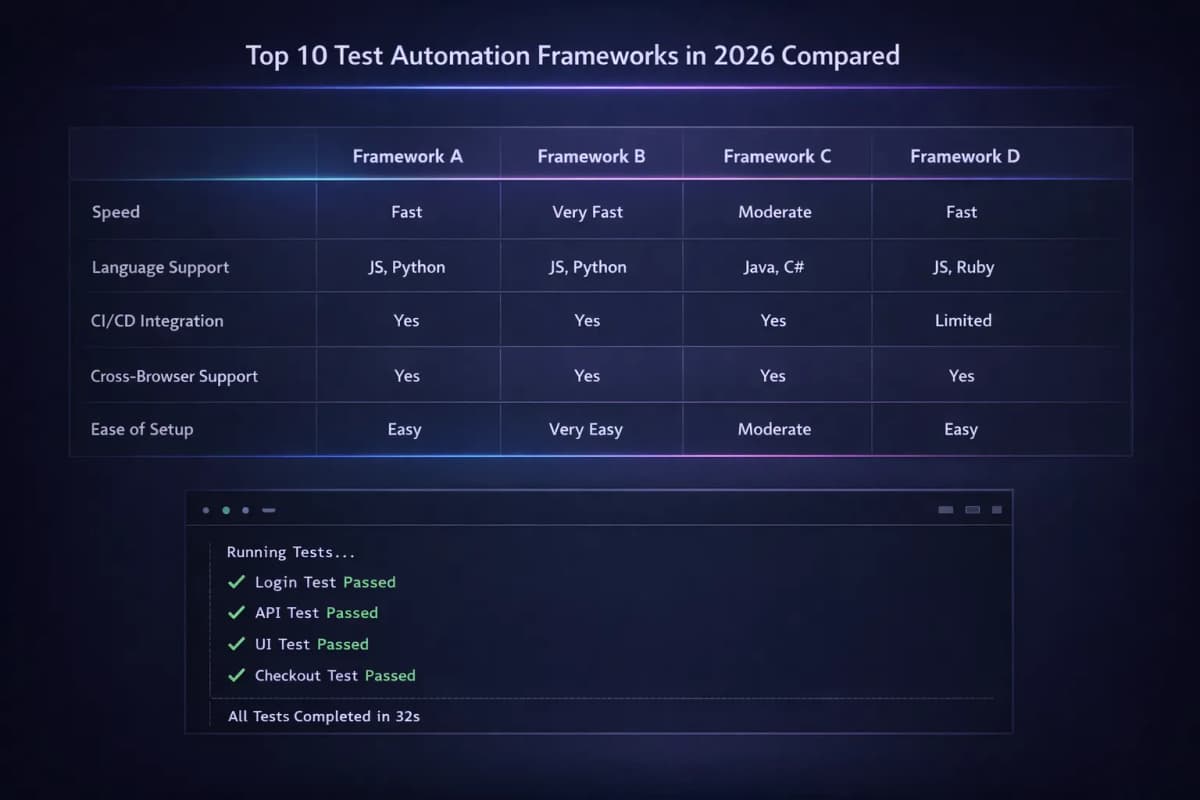
Instead of relying on custom scripts or manual data entry, automation platforms use visual home builders, prebuilt connectors, and APIs to unify service operations. While some platforms specialize in service procedure automation, such as marketing or HR, others focus on central IT, ensuring dependability and control over complex system architectures and mission-critical procedures.
Driving Digital Innovation and Strategic Frameworks
IT and combination architects depend on these platforms to handle data circulation, enforce governance, and preserve performance across systems. Celigo's Intelligent Automation Platform bridges these two worlds. By combining low-code workflow design with enterprise-grade governance, Celigo allows federated access to automation, where company users and technical teams can construct and manage the automations they understand best, all under the best guardrails that put IT's mind at ease.
From startups to global business, companies are purchasing platforms that combine flexibility with control. Here's why: Automation eliminates manual actions and the requirement to write custom combination scripts, releasing groups to concentrate on higher-impact work. Whether it's syncing CRM data, routing tickets, or automating monetary close procedures, automation programs help in reducing cycle times and increase throughput without additional headcount.
Automation platforms ensure information reliability by enforcing guidelines and validations throughout connected systems, enhancing reporting precision and compliance. Connecting detached systems with combined orchestration assists companies scale effectively. Rather of building custom scripts or burdening people with manual data entry, automation platforms serve as a main center, minimizing combination expenses and functional overhead while enhancing data quality and performance.
The days of automation needing advanced coding are over. The leading platforms empower non-technical users to produce, test, and release automations through visual, drag-and-drop interfaces, while offering IT teams the ability to handle and keep track of those workflows centrally.
How Cloud Adoption Is the GCC Priority
The very best platforms use prebuilt connectors, universal REST/HTTP API compatibility, and event-driven workflows that make it basic to orchestrate information flow throughout your community. As automation scales, so does the requirement for control. Enterprise-grade platforms supply governance tools, audit routes, and mistake monitoring that guarantee every automation runs securely, with exposure throughout every workflow.
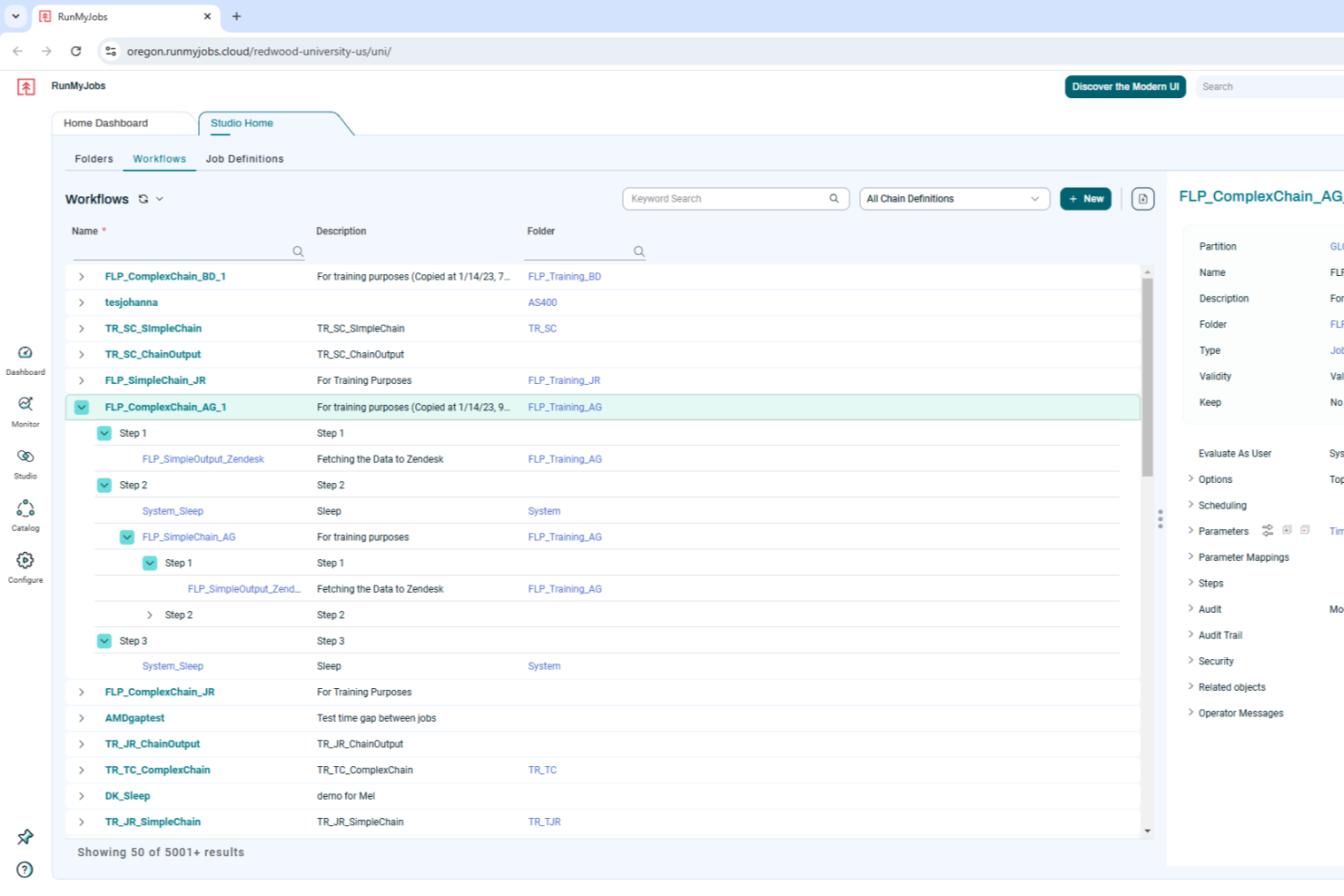
For IT architects, they provide assurance around SLAs, workflow performance, information security, and compliance. A modern-day automation platform need to handle all workflows in one place moving data between apps, connecting partners, handling APIs, and supporting AI-driven jobs. With a single, user friendly user interface, IT and service teams can see problems, fix them quickly, and avoid handling numerous integration tools.
In the age of AI, automation platforms are the backbone that provides AI protect access to enterprise information, collaborates numerous agents, and makes sure the oversight IT needs. The strongest platforms let groups integrate clear, rule-based steps with AI-driven tasks, choosing the ideal level of autonomy for each workflow. Just as significantly, they run all of these workflows together in one environment, making it much easier to manage and handle them throughout business.
Below are a few of the leading contenders shaping the automation landscape in 2026. Best for merged company and IT automation Celigo's Intelligent Automation Platform brings building, operating, and scaling automation into one unified system. Technical groups get the power and speed they require, while organization users can easily contribute using AI-assisted style and prebuilt parts.

Latest Posts
Recent GCC Tech Innovation Trends
The Best Workflow Tools Analyses in 2026
New Venture Updates From the GCC Startup Sector