All Categories
Featured
Beyond development, AI is becoming embedded in develop, test, and release pipelines. In 2026, lots of groups may rely on semi-autonomous systems to keep an eye on pipelines, discover abnormalities, and step in before failures escalate. For example, an AI system keeping an eye on CI/CD workflows might discover that a particular class of tests has started failing intermittently after recent merges.
New Tech News From the UAE Startup Sector
AI-enabled systems are increasingly adopted in place. Post-deployment, AI can keep an eye on usage patterns, performance metrics, and mistake rates and then suggest setup modifications, feature toggles, or refactors.
As AI systems end up being more self-governing, the question is no longer whether human beings remain in the loop; it's how that loop is designed. In 2026, the most substantial modifications will not have to do with job replacement, however about how duty, authority, and responsibility are dispersed in between people and makers. Standard software application carries out guidelines.
Essential Tips for Developing AI Frameworks
That habits starts to look like a teammate more than a tool. In practice, this indicates human beings are handing over outcomes, not tasks. An item operations group might assign an AI system a goal such as enhancing feature adoption or decreasing occurrence action time. The system evaluates information, proposes actions, coordinates throughout tools, and reports progress, while humans keep authority over top priorities and constraints.
Becoming the Tech Leader for the Middle East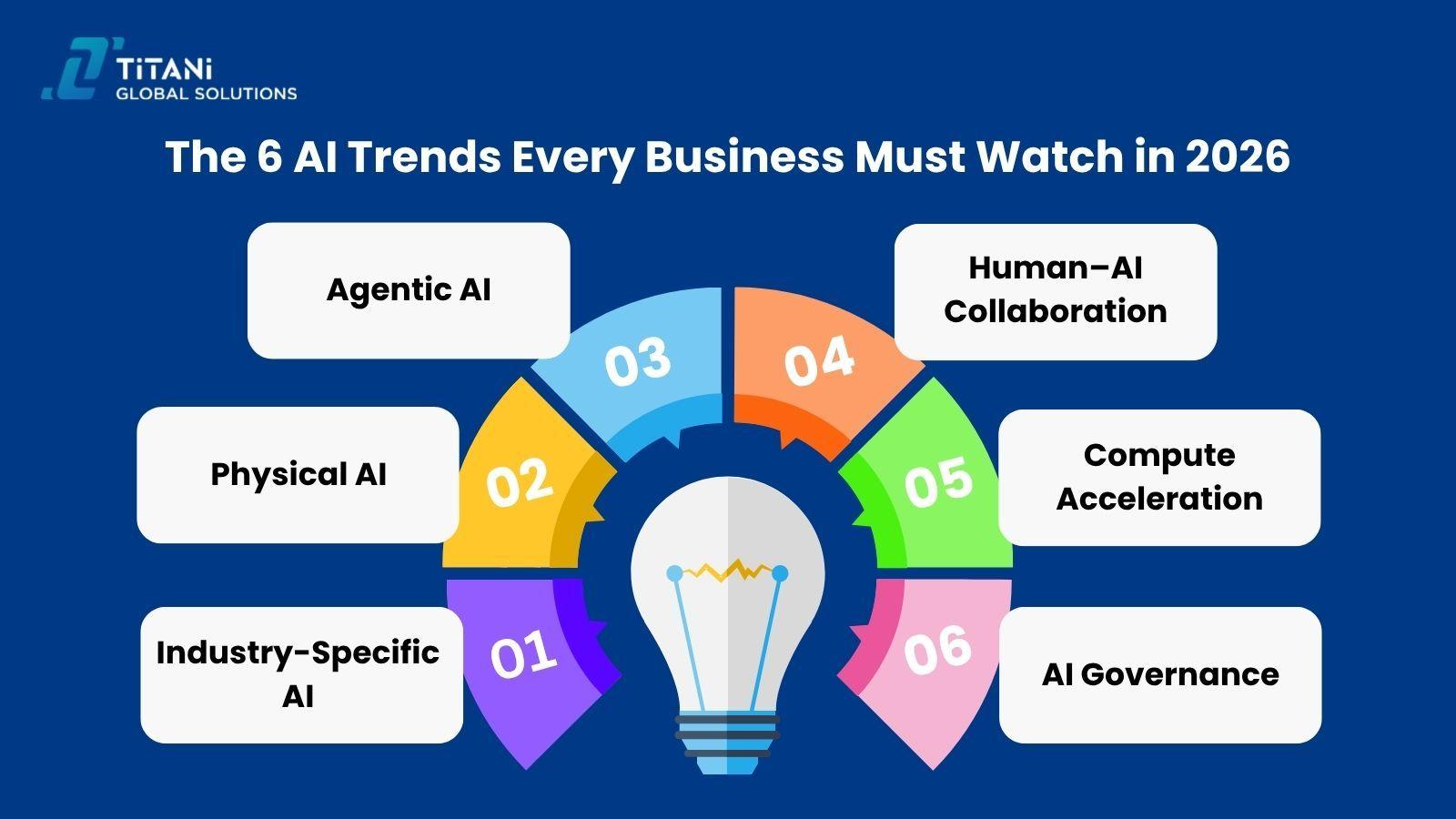
One of the shifts in 2026 will be how employees perceive AI. Numerous groups are finding that AI is most important when it absorbs the cognitive overhead that drains pipes time and focus.

Latest Posts
GCC Tech Innovation Trends
Key Strategies for Managing Applied AI Systems
Next-Gen Development Trends for 2026