All Categories
Featured
Table of Contents
As an outcome, success depends less on design elegance and more on systems engineering discipline. In manufacturing environments, physical AI is increasingly used to find defects mid-process using vision systems tied straight into control software. Rather of flagging issues after inspection, these systems change criteria in genuine time. What separates today's physical AI deployments is not perception, however closed-loop execution.
In logistics, AI and computer system vision systems keep an eye on inventory and traffic patterns to detect abnormalities such as blockage, misplacements, or devices concerns. These systems either alert operators in real time with focused on actions or feed choice recommendations into execution software. Physical AI adoption in 2026 is practical, not speculative. Companies are focusing on environments where outcomes are measurable with well-understood constraints.
Its value reveals up as reduced downtime, enhanced throughput, and much safer operations, not in flashy user interfaces. While hardware typically gets the attention, a lot of failures in physical AI releases trace back to software: bad data pipelines and combinations, or inadequate tracking. Successful groups deal with physical AI as a dispersed software system, one that must deal with retries, deteriorated modes, versioning, and rollback similar to cloud-native services.

Structure physical AI systems requires fluency across ingrained systems, information engineering, and real-time processing. For much of the generative AI boom, progress was determined by scale.
Proven Tips for Developing Digital Roadmaps
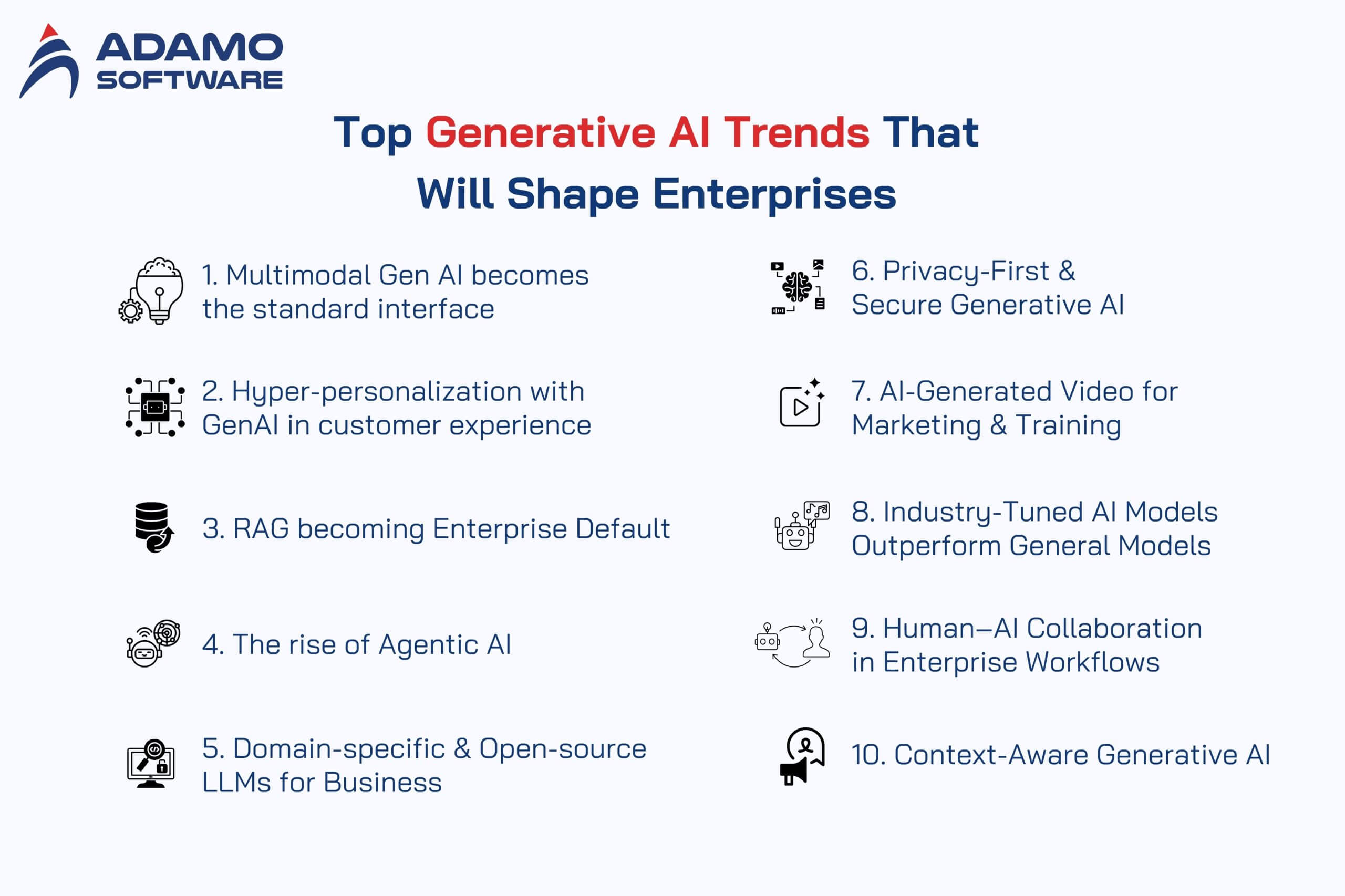
By 2026, many companies operating under rigorous compliance, privacy, and dependability requirements are moving away from one-size-fits-all models in favor of domain-specific systems. This is where AI is customized to the language, workflows, and restraints of a particular market., "the competitors will not be on the AI models, but on the systems," indicating that choosing the best model for a regulated usage case and incorporating it into coordinated workflows will matter more than raw design scale.
General-purpose AI models stand out at breadth, but managed sectors frequently focus on precision, traceability, and predictability over open-ended generation. Large models are more costly to run, harder to examine, and more vulnerable to producing outputs that are tough to explain after the fact. These become challenges that become intense in high-stakes environments such as finance, health care, and legal services.
In U.S. monetary services, groups are increasingly deploying designs trained on internal policy files, transaction histories, and regulative guidance. Instead of producing open-ended responses, these systems are enhanced to flag danger, explain decisions, and produce appropriate precedents. This technique aligns carefully with regulative expectations around explainability and design governance, including guidance from U.S
The outcome isn't a more "innovative" AI, but a more reliable one. Healthcare companies in the U.S. deal with some of the greatest barriers to AI adoption: rigid client personal privacy requirements, intricate clinical workflows, and low tolerance for unexplainable results. As a result, domain-specific models are seen as a prerequisite, not an optimization.
Navigating the Landscape of GCC Innovation
These systems are designed to help clinicians by narrowing alternatives, highlighting anomalies, and citing sources. The emphasis is on scientific support and transparency, consistent with best practices described by companies like the American Medical Association and the FDA. In the legal space, AI systems should operate within tight interpretive borders.
U.S. legal teams are therefore embracing AI models tuned to specific jurisdictions, case law databases, and internal contract libraries, rather than depending on broad, general-purpose designs. Instead of summarizing "the law" broadly, these systems concentrate on drawing out clauses, comparing precedents, and recognizing disparities, with clear traceability back to source product; a requirement highlighted in legal AI governance conversations and professional assistance.
Among the enablers of domain-specific AI is the growing usage of synthetic and structured information. In sectors where real information is restricted, sensitive, or unevenly distributed, synthetic generation helps fill spaces without breaking compliance requirements. In insurance and danger modeling, synthetic datasets are used to replicate unusual events, such as extreme weather condition or fraud situations.
Why Applied AI Drives High-Impact Innovation
Desire a much deeper dive into how synthetic data reshapes AI workflows? The earliest wave of generative AI adoption was easy to acknowledge: draft an e-mail, summarize a document, generate marketing copy.
By 2026, that framing no longer holds. Generative AI is significantly embedded inside decision-making systems, where its role is not to produce outputs for humans to evaluate but to form choices and recommend actions within defined constraints. The shift is subtle, but it alters how software groups design workflows and how services measure impact.
Rather than issuing a decision, the AI discusses the rationale behind each alternative, surfaces tradeoffs, and flags threats. This permits human beings to step in where essential. In this model, generative AI functions as a reasoning layer, not an authority. What differentiates these systems from earlier automation is their capability to factor over time.
Top Automation Software to Watch in 2026
In client operations, generative AI may examine assistance tickets, usage information, and churn indicators to suggest intervention methods. If an advised action does not produce the preferred result, the system modifies its method.
The most reliable systems hide complexity behind familiar interfaces, permitting groups to gain from AI without discovering new interaction models. Within procurement or supply chain software, generative AI can continuously evaluate supplier performance, agreement terms, and demand forecasts. When conditions change, it proposes alternative sourcing strategies, drafts validations aligned with policy, and routes decisions to the appropriate approvers.
Another shift underway is the move from rule-based personalization to generative systems that adapt dynamically. Instead of pre-defining every situation, groups specify objectives and restrictions, and allow AI to tailor actions accordingly. In digital item environments, generative AI can change onboarding circulations, feature direct exposure, or assistance interventions based upon user habits, while respecting compliance standards.
This balance between versatility and control is what makes generative AI practical at scale. Curious which tools are powering synthetic data generation today? Explore our 10 Gen AI Tools to Develop Synthetic Data guide. For years, software development has actually been defined by a familiar split: humans design systems and write code; tools assist at the margins.
Leveraging Digital Computing Within the GCC
By 2026, that limit will fade away. AI is moving beyond line-by-line assistance and into system-level understanding. This is where it can reason across entire repositories, development histories, and deployment environments. The outcome is a shift from AI as a coding aid to AI as an individual in the software lifecycle.
Modern codebases are stretching, interconnected systems shaped by years of choices, tradeoffs, and spots. Navigating that context has constantly been one of the hardest parts of engineering work. Rather of asking "what does this function do?", developers progressively ask AI systems concerns like: What will break if we refactor this module? Which services depend upon this API? Or why was this reasoning presented in the first place? AI responses by examining commit history, dependency charts, test coverage, and paperwork.

Latest Posts
Recent GCC Tech Innovation Trends
The Best Workflow Tools Analyses in 2026
New Venture Updates From the GCC Startup Sector