All Categories
Featured
Table of Contents
In this design, generative AI functions as a thinking layer, not an authority. What differentiates these systems from earlier automation is their ability to factor over time.
In customer operations, generative AI might evaluate support tickets, use data, and churn indicators to suggest intervention methods. If a suggested action does not produce the preferred outcome, the system modifies its method. It escalates concerns, changes messaging, or triggers retention workflows, all while logging decisions for review. This approach mirrors how knowledgeable groups operate, but at a scale that manual processes can't match.
The most reliable systems hide complexity behind familiar interfaces, permitting groups to benefit from AI without discovering new interaction designs. Within procurement or supply chain software, generative AI can continuously assess supplier efficiency, agreement terms, and need projections. When conditions alter, it proposes alternative sourcing strategies, drafts validations aligned with policy, and routes choices to the proper approvers.
Another shift underway is the relocation from rule-based customization to generative systems that adjust dynamically. Rather of pre-defining every scenario, teams define objectives and restraints, and enable AI to customize actions appropriately. In digital item environments, generative AI can change onboarding flows, feature exposure, or support interventions based on user habits, while appreciating compliance guidelines.
The Competitive Edge of Mobile-First Banking in RiyadhThis balance in between versatility and control is what makes generative AI viable at scale. For years, software development has been defined by a familiar split: human beings style systems and write code; tools help at the margins.
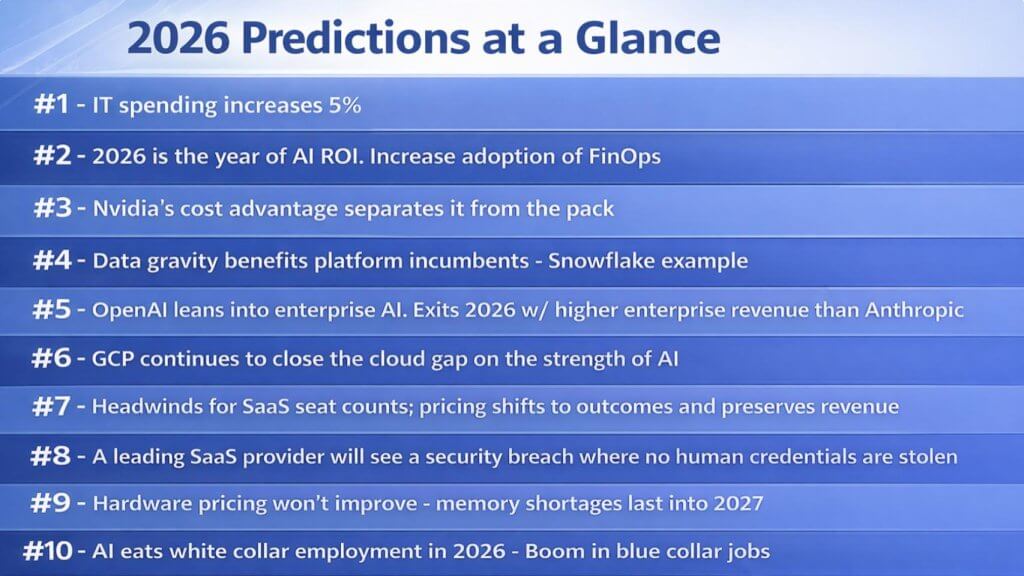
Top AI Tools for Adopt for 2026
By 2026, that boundary will fade away. AI is moving beyond line-by-line help and into system-level understanding. This is where it can reason across entire repositories, development histories, and release environments. The outcome is a shift from AI as a coding aid to AI as an individual in the software lifecycle.
Modern codebases are sprawling, interconnected systems shaped by years of decisions, tradeoffs, and patches., designers increasingly ask AI systems concerns like: What will break if we refactor this module? AI responses by examining commit history, reliance charts, test coverage, and documentation.
Beyond advancement, AI is ending up being embedded in construct, test, and deployment pipelines. In 2026, numerous groups might count on semi-autonomous systems to monitor pipelines, find anomalies, and step in before failures escalate. An AI system monitoring CI/CD workflows might observe that a specific class of tests has started failing intermittently after current merges.
AI-enabled systems are progressively embraced in place. Post-deployment, AI can monitor use patterns, efficiency metrics, and mistake rates and then suggest setup modifications, function toggles, or refactors.
As AI systems become more autonomous, the concern is no longer whether people stay in the loop; it's how that loop is created. In 2026, the most significant changes will not have to do with job replacement, however about how responsibility, authority, and responsibility are distributed between people and devices. Conventional software performs directions.
Building Applied AI Roadmaps for Global Enterprises
That behavior starts to look like a colleague more than a tool. In practice, this indicates people are handing over results, not jobs. A product operations team may designate an AI system an objective such as enhancing function adoption or reducing event response time. The system assesses information, proposes actions, coordinates across tools, and reports development, while people retain authority over top priorities and restraints.
Delegation without oversight produces danger; oversight without delegation creates friction. The balance depends on plainly specified choice boundaries and escalation paths. One of the shifts in 2026 will be how workers perceive AI. Lots of groups are discovering that AI is most important when it takes in the cognitive overhead that drains pipes time and focus.

Beyond advancement, AI is ending up being embedded in construct, test, and deployment pipelines. In 2026, many groups may rely on semi-autonomous systems to monitor pipelines, detect anomalies, and step in before failures intensify. An AI system keeping an eye on CI/CD workflows may discover that a particular class of tests has begun failing periodically after recent merges.
This shortens feedback loops and decreases the cognitive load on teams handling intricate shipment environments. Possibly the most significant shift is what takes place after code ships. Traditionally, released software application remains fixed up until people step in. AI-enabled systems are significantly adopted in place. Post-deployment, AI can monitor usage patterns, performance metrics, and error rates and then advise configuration changes, feature toggles, or refactors.
The Competitive Edge of Mobile-First Banking in Riyadh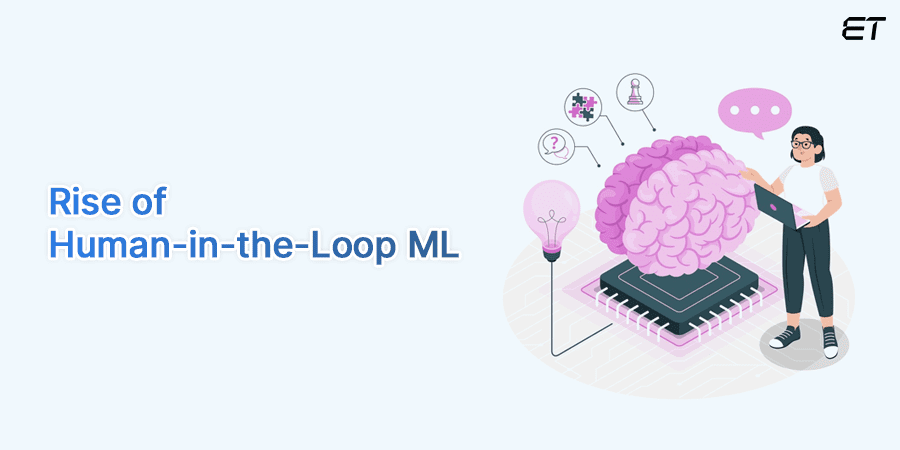
Unlocking Strategic ROI With 2026 AI Solutions
As AI systems end up being more autonomous, the concern is no longer whether human beings stay in the loop; it's how that loop is designed. In 2026, the most significant modifications will not be about job replacement, however about how duty, authority, and responsibility are distributed between people and machines. Traditional software executes directions.
That habits starts to resemble a colleague more than a tool. In practice, this means human beings are entrusting outcomes, not jobs. A product operations team might assign an AI system a goal such as improving function adoption or lowering occurrence response time. The system examines information, proposes actions, collaborates throughout tools, and reports development, while humans retain authority over top priorities and constraints.
One of the shifts in 2026 will be how workers view AI. Lots of teams are finding that AI is most valuable when it absorbs the cognitive overhead that drains pipes time and focus.

Latest Posts
Recent GCC Tech Innovation Trends
The Best Workflow Tools Analyses in 2026
New Venture Updates From the GCC Startup Sector